How Rain and Humidity Accelerate Exterior Moss Growth
Property owners across Lismore and the wider Northern Rivers region are familiar with the relentless green film that coats driveways, retaining walls, and rooflines. While moss may initially appear as a harmless botanical curiosity, it presents serious long-term risks to structural materials. The subtropical climate of Lismore, characterised by warm temperatures, significant seasonal rainfall, and persistently high relative humidity, provides the ultimate incubator for non-vascular plant growth. Understanding the mechanics behind moisture-driven spore development is the first step toward effective exterior maintenance.
The Biological Link Between Moisture and Moss Proliferation
Unlike conventional garden plants, mosses are non-vascular bryophytes. They do not possess deep root systems to draw water from the soil; instead, they absorb moisture and airborne nutrients directly through their leaves and stem-like structures via capillary action. Because of this biology, moss requires sustained surface dampness to survive, photosynthesise, and reproduce.
When atmospheric humidity regularly exceeds 70 percent—a standard occurrence in the Lismore basin throughout much of the year—exterior surfaces dry out very slowly. This lingering surface wetness allows dormant spores to germinate within microscopic pores found in concrete, clay tiles, and timber. Rainfall delivers the necessary hydration to jumpstart growth, while humidity https://pressurecleaninglismore.com.au/about/ prevents evaporation, creating an unbroken cycle that fuels exponential colony expansion.
Why Lismore Properties Face Elevated Risk
Lismore occupies a river valley shaped by the Wilsons River and Leycester Creek. This geography traps damp air, particularly during autumn and winter mornings, resulting in heavy dew formation and lingering fog. Combined with summer downpours, hard surfaces rarely experience the extended dry periods required to naturally dehydrate and kill moss spores.
Furthermore, established residential areas often feature mature tree canopies. While shade trees add natural beauty and heat relief, they significantly restrict sunlight and airflow, reinforcing the microclimate that allows dampness to thrive on roofs, decks, and concrete pathways.
Structural Hazards Caused by Moisture-Fed Moss
Leaving moss unchecked on outdoor surfaces creates practical safety concerns and accelerates material degradation. The physical structure of moss acts like a living sponge, retaining many times its dry weight in water directly against your property's exterior envelope.
- Roof Tile Displacement: As moss colonies expand under and between concrete or terracotta tiles, they force the overlaps apart. This "tile jacking" allows driving rainwater to breach the roof cavity, damaging insulation and ceiling plaster.
- Surface Spalling and Pitting: Moss secretes mild organic acids to anchor its rhizoids into mineral substrates. Combined with constant moisture retention, this process slowly dissolves binders in mortar, render, and concrete.
- Slip and Fall Hazards: Damp moss on pathways, steps, and timber decking develops a gelatinous, low-friction biofilm that represents a severe public liability and domestic injury hazard.
- Timber Rot Acceleration: On outdoor decks and pergolas, trapped moisture beneath dense moss mats prevents treated pine and hardwoods from drying, expediting fungal decay and wood rot.
Professional Remediation and Long-Term Prevention
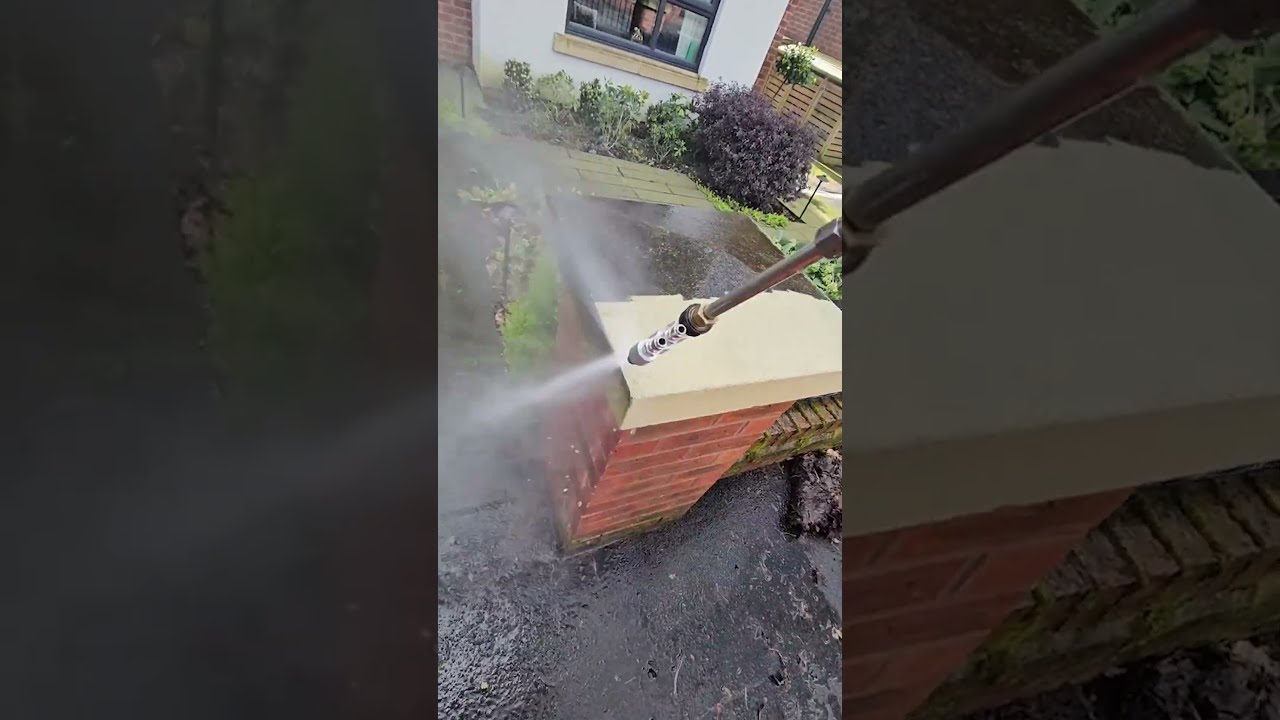
Combating moss in a high-humidity environment requires more than occasional blast cleaning. Standard high-pressure washing often removes only the visible green foliage, leaving the microscopic root systems embedded deep within surface pores. Furthermore, aggressive pressure can etch porous pavers and strip protective coatings from Colorbond or concrete roof tiles, creating even more texture for spores to latch onto in the future.

Modern property maintenance relies on balanced, chemical eradication methods that neutralise biological growth at the root level without deteriorating substrate integrity.
- Soft Wash Biocide Application: Applying specialised biodegradable cleaning agents sanitises the surface, killing spores, algae, and lichens deep inside microscopic fissures.
- Canopy Management: Pruning overhanging branches increases direct UV light exposure and improves wind passage, helping surfaces dry rapidly after rainfall.
- Gutter and Drainage Maintenance: Ensuring box gutters, downpipes, and surface drains are free of organic silt prevents overflowing water from continuously soaking walls and paths.
- Protective Sealing: Applying penetrating, breathable sealers to concrete, porous pavers, and roof tiles prevents moisture ingress, making it impossible for moss to establish rhizoid anchors.
Protecting Your Property in 2026 and Beyond
With seasonal weather patterns intensifying, proactive exterior management is critical for asset preservation across the Northern Rivers. Rather than waiting for thick carpets of vegetation to cause material failure, regular seasonal inspections and targeted soft-wash treatments will safeguard the value, appearance, and structural durability of your home.
Lismore Pressure Cleaning
(02) 6617 2969